Poor Expectations
an accidental college student's metamorphosis out of mediocrity

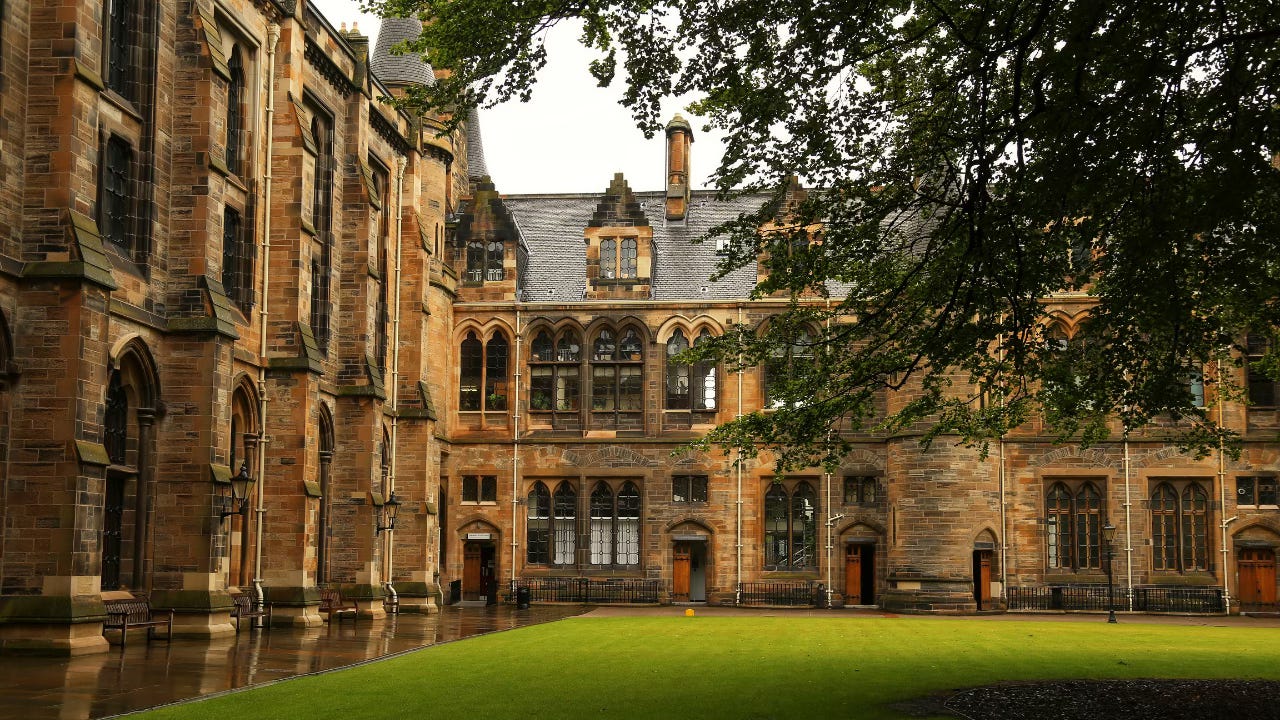
I never should have gone to college. The only reason I went was because a concerned friend took it upon herself to enroll me, register me for classes, and apply for scholarships, so I could afford to be there. I owe her my life.
As a young high-school kid, I never considered college, because I never considered I could be anything other than what I already was. I had no hope for the future because I didn’t believe I was capable of achieving anything in the future. Why bother?
While all the other seniors in my school posted their college plans on the walls of our high school hallways, I hid mine in the locker of my self-consciousness. I was the runt hiding from the bully, I called reality. Almost every teacher knew better than to ask where my plan was. I had already met my expectations.
The only expectation that seemed to apply to me was the one bound to my physical appearance; It was the only standard that came with constant social commentary. Socially, culturally, academically, and logistically, my weight and appearance were the standards to uphold. So, I complied.
Then, I started my first college English class with (accidentally) one of the hardest professors you could take in the department. He was a Gordon Ramsey for grammar, and demanded excellence from everyone.
In his class, I was introduced to philosophy for the first time, and I realized I wasn’t only understanding the material. I could keep up with the lectures and the logic. Inspired and intrigued by my new mental capabilities, I took another class with him.
Another semester. Week after week, paper after paper, my assignments bled from the lashings of red ink. (How many red pens were martyred on the path of my education?) He was ruthless, thrashing at every thought, word, period, and comma, like it was a mathematical equation that I couldn’t get right. Not because it suited his taste, but because it suited the art of great writing.
Then, one day, after another disappointing paper, he pulled me aside after class and berated me. “No one is going to take you seriously if you don’t take yourself seriously. You must learn how to write well!”
Wait. I could be taken seriously?
Dejected and frustrated by the constant confrontation of my failure, I shoved my "Scarlet Letter" paper in my backpack as if it were a scarlet letter on my chest, warning everyone of the great sin I had committed: mediocrity.
Why was he asking so much of me?
As much as I wanted to surrender to my existence of nothingness, a seed inside me had been planted. His words had cast a spell over my self-efficacy. His must believe I am capable of writing well or he wouldn’t be asking me to do it, right? The possibility of me “being a better writer” and “being taken seriously” permeated my existence and flooded my consciousness like an oil spill.
He wasn’t asking me to be the next Toni Morrison. He was just asking me to try, to expect more from myself. No one had ever done that before.
For the first time in my life, a man (other than my father) came into my stratosphere and told me I should be more than what I already was (academically, intellectually) because he believed it was possible for me. He believed in my potential. I wanted to believe in it too.